
Better decisions begin
with better evidence.
Meta Team wasn’t built around a workshop, a theory, or a personality model. It was built through years of observing how teams actually perform. Every engagement strengthens the evidence: not claimed, measured.
Four teams. Four constraints. Four measured shifts.
Every diagnostic identifies the constraint. Every workout journey is sequenced to remove it. Every re-profile proves whether it worked.
Global Insurance Company
 London
The Challenge
The team began below the 7.0 performance benchmark on five of eight habits, with Trust and Purpose the weakest signals. The Team Leader’s confidence sat well ahead of how the team experienced itself day-to-day, a gap that slowed how quickly decisions and priorities cascaded through the team.
The Development Journey
Six workouts, sequenced by algorithm to remove the primary constraint first, plus three 1:1 coaching sessions with the Team Leader running in parallel.
The Impact
Every rater group improved
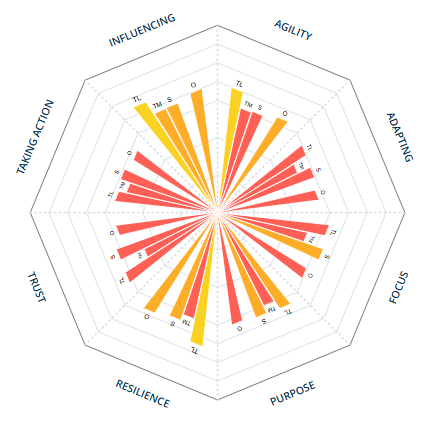
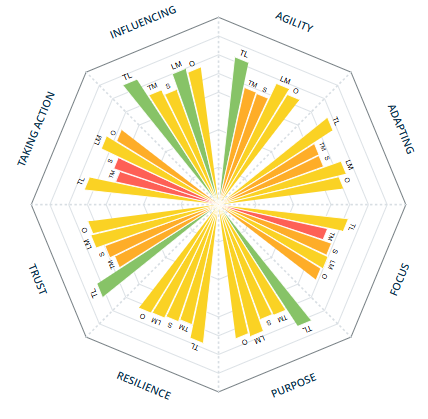
Trust improved the most of any habit (+28%), followed by Adapting (+23%), Taking Action (+21%) and Purpose (+19%).
Banking
 Riyadh
The Challenge
Half of the team’s 32 measured micro-behaviours (16 of 32) were weak or below the global norm at baseline, with Adapting the lowest-scoring habit. The team was struggling to respond and adjust quickly enough as conditions around them changed.
The Development Journey
A Trust, Agility and Adapting-led sequence, moving from psychological safety into faster, more considered responses to change.
The Impact
Adaptability led the gains
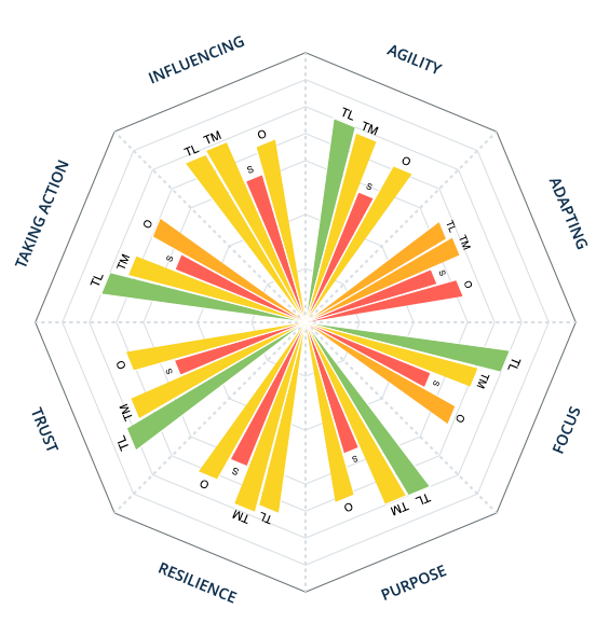
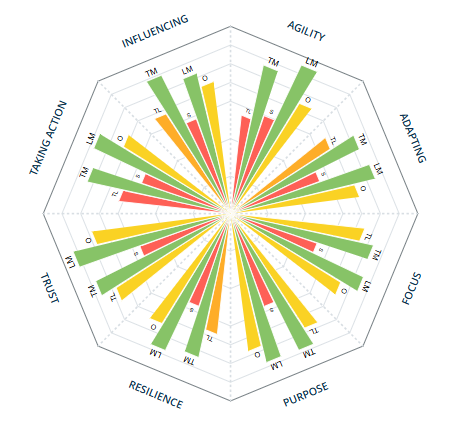
29 of 32 micro-behaviours are now above the global norm, an 81% improvement on baseline.
Capital Markets: Nasdaq
 New York
The Challenge
The baseline Team Performance Profiler showed 24 of the team’s 32 micro-behaviours below the global norm, with Adapting, Influencing and Taking Action the weakest habits, limiting the team’s ability to respond to change and turn stakeholder relationships into real impact.
The Development Journey
A blend of hybrid workshops built around Trust, Adapting, Taking Action and Focus, strengthening Inner Game foundations first, then reinforcing Outer Game execution.
The Impact
Standout adapting & influencing gains
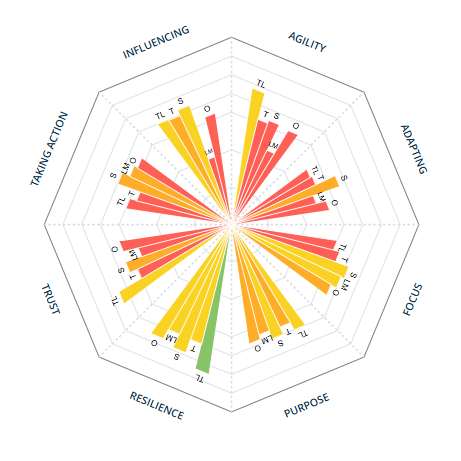
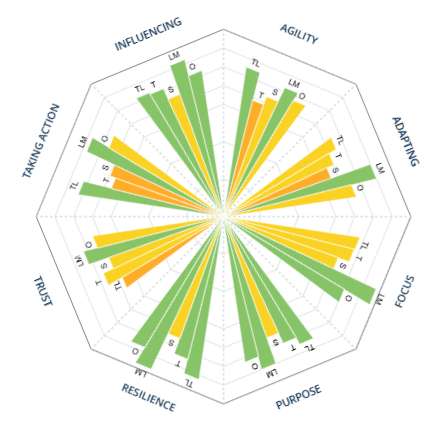
30 of 32 micro-behaviours now rate above the global average, 15 of them “Strong”, up from just 2 at baseline.
Asset Management
 Dublin
The Challenge
The team started with low candour and signal distortion: 71% reported challenge being avoided or softened and issues not surfaced early, and 69% reported inconsistent information and a weak shared view of priorities. Only half of the team’s micro-behaviours rated strong or above average.
The Development Journey
Trust, Focus, Agility and Taking Action workouts, rebuilding candour and shared understanding first, then translating that alignment into faster, more coordinated execution.
The Impact
Sharper focus, faster execution
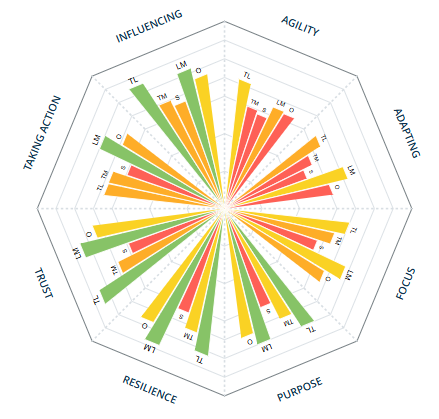
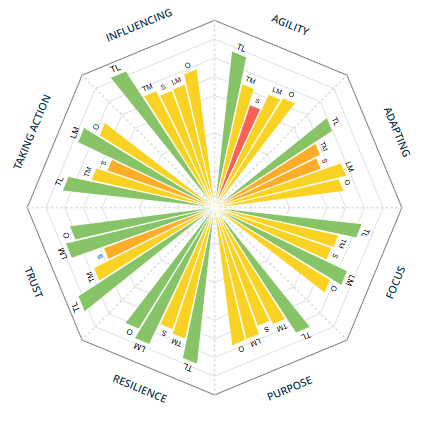
91% of micro-behaviours are now strong or above average, up from 50% at baseline. Low candour fell from 71% to 60%; signal distortion from 69% to 59%.
Trusted Across Sectors: Recent Clients




Strategic Partners




What would you tell someone considering Meta Team?
We put that question to Gabriella Eberhardt, Director of People & Culture, after her leadership team completed their Meta Team journey. Her answer, unscripted.
Real reflections, not testimonials.
“None of the tools I have used work at the team level. They all work at the individual level.”
Global HRD“It uncovered challenges we didn’t know we had.”
Leadership Team, Client“The quick wins gave us confidence.”
HR Lead, Private Equity“I have just come out of a 90-minute meeting with a business-critical solution I wasn’t even aware I needed when I came in the room.”
Global HRD“The MT method unlocked deeper collaboration and addressed challenges we hadn’t fully recognised.”
HR Lead, Private Equity“Action without reflection is unproductive. Reflection without action changes nothing. With Meta Team, we did both.”
Team Leader, Financial ServicesBetter evidence leads to better decisions.
When organisations understand the constraint limiting a team’s performance, they stop investing in assumptions. They invest where it matters. That changes conversations. It changes priorities. It changes performance.